
Local
Oil-to-Gas Conversion: A Guide for North Hills Homes
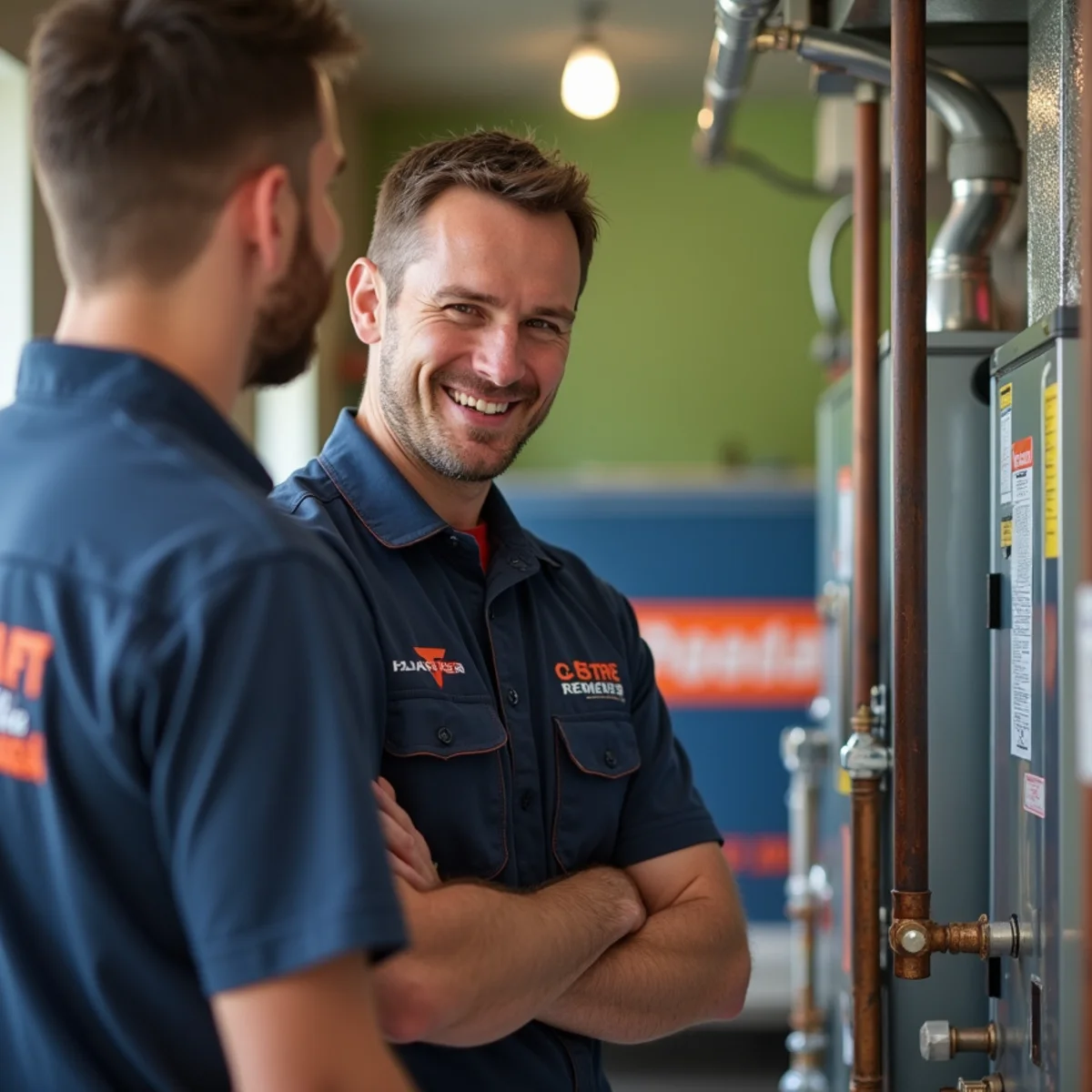
Across the North Hills, plenty of older homes still heat with oil — and their owners are increasingly ready to be done with deliveries, price swings, and a tank in the basement. Converting to natural gas is a genuinely high-impact upgrade. Here is what the process looks like from start to finish.
Step 1: Confirm gas availability
Everything starts here. If natural gas already runs to your street and you have (or can easily get) a meter, a conversion is straightforward and more affordable. If the nearest gas main is farther away, bringing service in adds cost and time. We check availability first so you know what you are working with before anything else.
Step 2: Size the new equipment
A conversion is the right moment to get sizing correct. We run an ACCA Manual J load calculation to size a high-efficiency gas furnace or boiler to your actual home — not to whatever the old oil unit happened to be. Right-sizing is what delivers the efficiency and comfort the new system is capable of.
Step 3: Plan venting and gas work
High-efficiency gas equipment vents differently than an old oil unit, often through PVC to a sidewall, and needs proper combustion air and a condensate drain. We plan the venting, the gas line from the meter, and the electrical as part of the design so there are no surprises mid-project.
Step 4: Permits and installation
This is fuel-gas work, which means it must be permitted and inspected — not done off the books. We pull the Pittsburgh-area mechanical and gas permits, install the new equipment to code and manufacturer spec, and coordinate the inspection. Cutting corners on a gas conversion is exactly what you do not want.
Step 5: Remove the old oil equipment
A real conversion includes dealing with the old furnace or boiler and the oil tank. We coordinate removal and disposal so you reclaim the space and are not left with the cleanup — that tank finally leaves the basement or yard for good.
What you gain
- Lower, more predictable heating bills in most cases
- No more oil deliveries or running low in a cold snap
- Cleaner operation with less soot and odor
- A modern, efficient, warrantied heating system
Our full oil-to-gas conversion service handles every step, and we can pair it with a high-efficiency furnace installation or boiler. We convert homes throughout Ross Township and McCandless.
Ready to explore it? Call (831) 461-3437 for an honest assessment of what a conversion would involve for your home.
What actually drives your conversion timeline and cost
No two oil-to-gas conversions cost the same, and the variable that matters most isn't the furnace — it's the gas. A home with a gas main at the street and an existing meter is a straightforward one-to-two-day equipment swap. A home where service must be extended from farther away adds utility coordination, cost, and weeks to the schedule. Knowing which situation you're in is the first thing we establish.
The factors that shape a North Hills conversion:
- Gas availability at the street and whether a meter already exists
- The distance and route the gas line must run to the equipment
- Whether you're converting a furnace, a boiler, or both
- Venting and combustion-air changes for the new high-efficiency unit
- Removal of the old oil furnace or boiler and the tank
Our oil-to-gas conversion service confirms availability first, then scopes the whole project — gas work, equipment, permits, and tank removal — in writing for homes across Ross Township and McCandless.
| Factor | Lower cost / faster | Higher cost / slower |
|---|---|---|
| Gas at the street | Meter already present | Service must be extended |
| Equipment | Furnace only | Furnace and boiler |
| Venting | Simple sidewall PVC | Chimney liner needed |
| Tank | Above-ground removal | Underground tank |
| Timeline | 1–2 days | Weeks with utility work |
Who does what in a conversion
A smooth conversion is really a coordination job. The gas utility installs the service line and meter; we handle everything from the meter in — the interior gas piping, the new furnace or boiler, the venting, and the permits and inspection. We also coordinate compliant removal of the old oil equipment and tank, which for an underground tank carries its own rules. Managing all of it under one roof is why our oil-to-gas conversion service is smoother than juggling separate contractors across Ross Township and McCandless.
Frequently asked questions
Need a Pittsburgh HVAC pro?
Same-day service · 24/7 emergencies · honest pricing