
Cost & Planning
HVAC Rebates & Tax Credits for Pittsburgh Homeowners
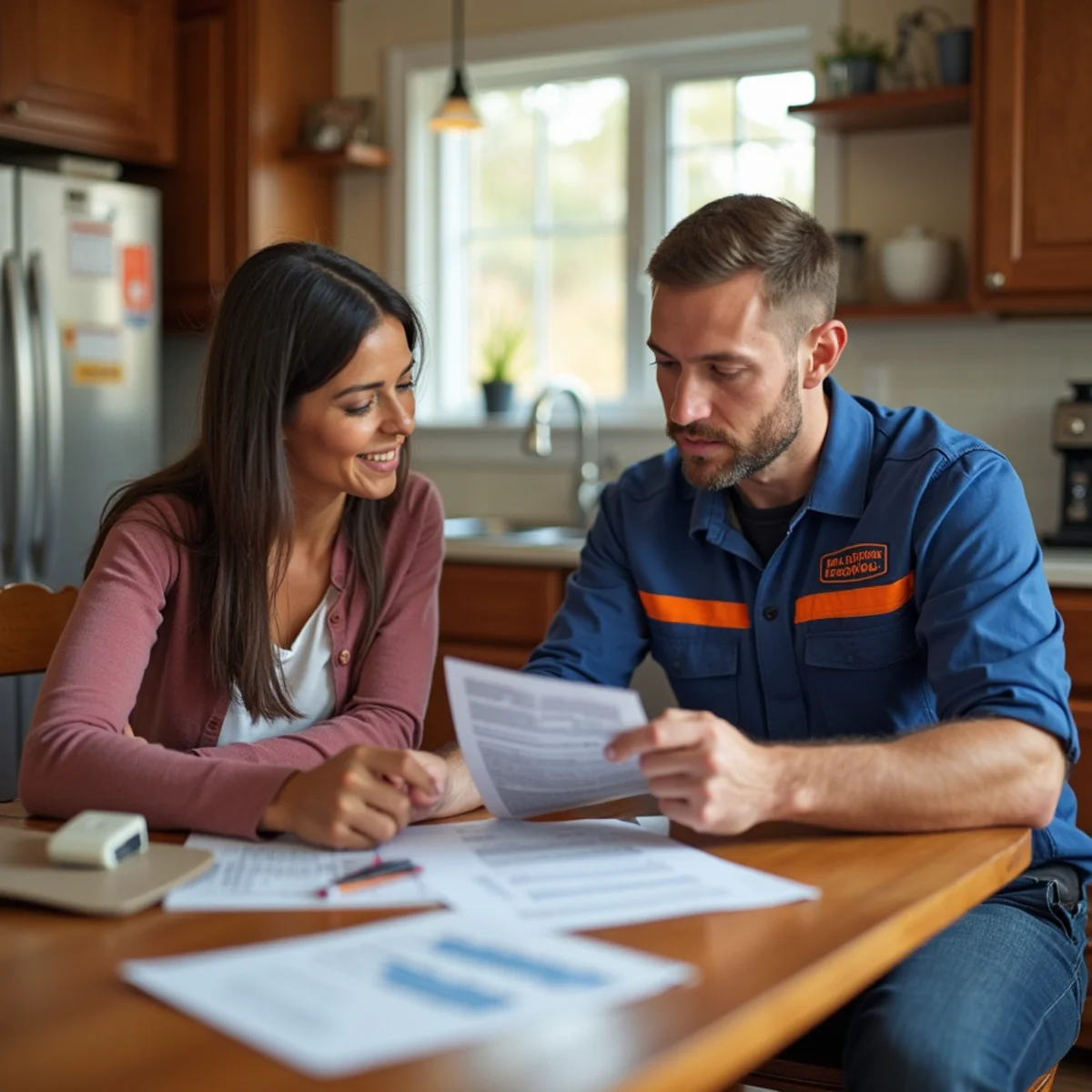
A new high-efficiency furnace, air conditioner, or heat pump is a significant investment — but there are several ways to bring the cost down that homeowners often miss. Between federal tax credits, utility rebates, manufacturer promotions, and financing, the effective price of upgrading can be meaningfully lower than the sticker. Programs and amounts change, so the smart move is to confirm current eligibility before you buy. Here is the landscape and how to use it.
Federal tax credits for high-efficiency equipment
The federal government has offered tax credits for qualifying high-efficiency home HVAC equipment — heat pumps, high-AFUE furnaces, and high-SEER2 air conditioners that meet the efficiency thresholds. These reduce what you owe at tax time rather than being an instant discount, and the eligible equipment and credit amounts are set by current rules that can change year to year. Because the details matter, we confirm eligibility against your specific equipment and the latest guidance rather than promising a number.
Tax credits and rebates are tied to specific efficiency ratings. Choosing equipment that clears the threshold is part of the decision — sometimes stepping up one efficiency tier pays for itself through the incentive.
Utility and manufacturer rebates
Local utilities periodically offer rebates on high-efficiency heating and cooling equipment, and equipment manufacturers run seasonal promotions on qualifying systems. These are separate from federal credits and can sometimes stack with them. Availability comes and goes, so it is worth asking what is active at the time you buy — we keep track of current programs for the equipment we install.
How to qualify without headaches
Incentives hinge on documentation: the right equipment model, its efficiency rating, and proper proof of purchase and installation. That is one more reason to have the work done by a licensed contractor who pulls the permit and gives you the paperwork — it is exactly what these programs ask for. Cutting corners on installation can cost you the incentive along with the performance.
- Choose equipment that meets the program’s efficiency threshold
- Keep the itemized invoice, model numbers, and efficiency certificate
- Use a licensed, insured contractor who permits the work
- Confirm current program terms before you commit — they change
| Source | What it is | Notes |
|---|---|---|
| Federal tax credit | Credit at tax time for efficient equipment | Tied to efficiency thresholds; rules change |
| Utility rebate | Local utility incentive | Availability varies — ask what is active |
| Manufacturer promo | Seasonal equipment discount | May stack with other incentives |
| Financing | Spread the cost over time | Available on approved credit |
Where the incentives point: efficiency and heat pumps
Incentive programs generally reward the more efficient choices — high-AFUE furnaces and, especially, heat pumps, which have been a focus of recent energy policy. If you are weighing options, factor the incentives into the efficiency decision: a higher-efficiency system that qualifies can end up costing less after credits than a cheaper unit that does not.
The bottom line
Do not leave money on the table. Between tax credits, utility and manufacturer rebates, and financing, a high-efficiency upgrade is often more affordable than it looks — but programs change, so confirm current eligibility first. Call (831) 461-3437 and we will help you choose qualifying equipment and hand you the documentation you need.
Frequently asked questions
Need a Pittsburgh HVAC pro?
Same-day service · 24/7 emergencies · honest pricing