
Safety
Carbon Monoxide & Your Furnace: Warning Signs Every Homeowner Should Know
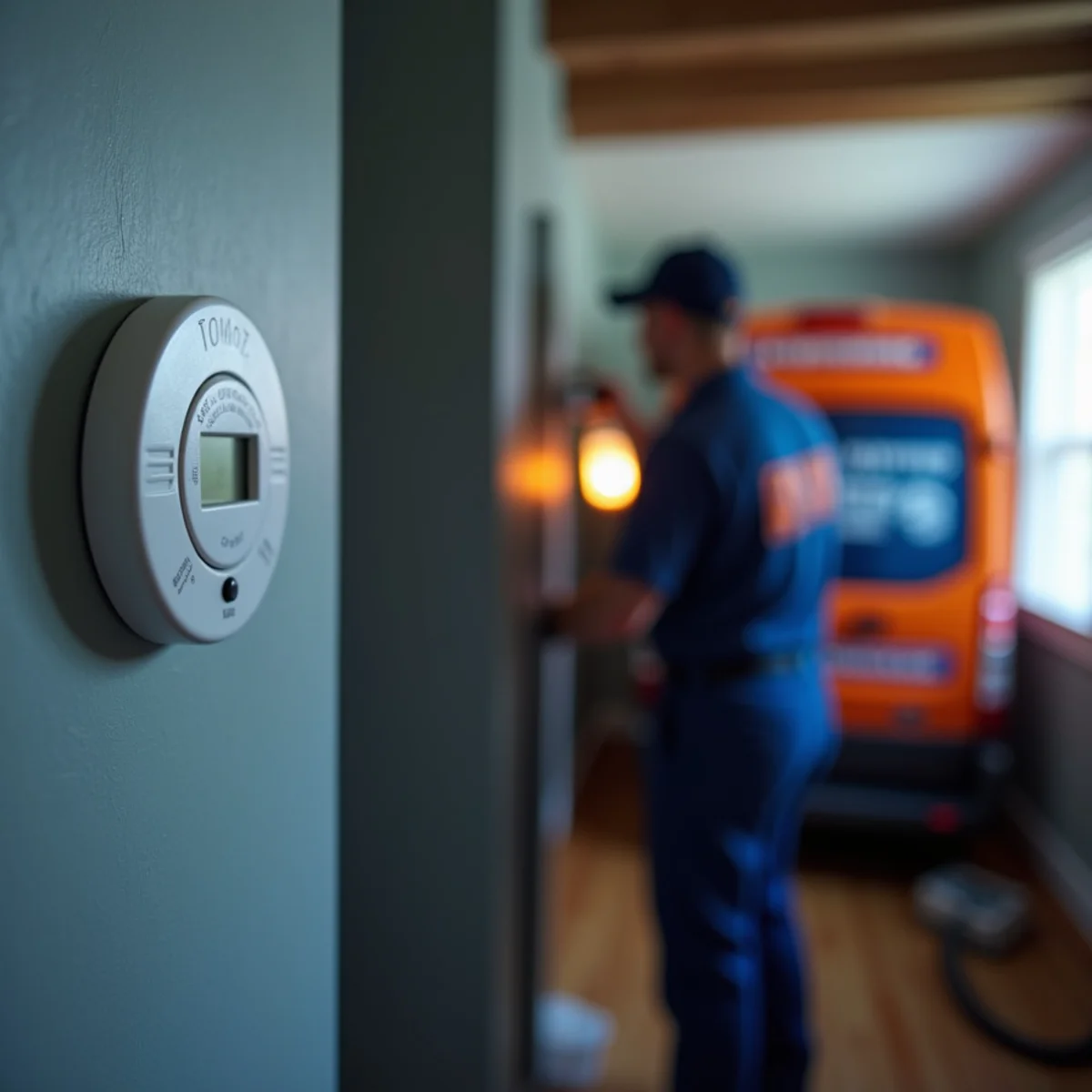
If your CO alarm is sounding, or anyone feels headache, dizziness, nausea, or confusion, get everyone outside to fresh air immediately and call 911 from outside. Do not go back in to investigate. Carbon monoxide poisoning is a medical emergency.
Carbon monoxide (CO) is a colorless, odorless gas — you cannot see it, smell it, or taste it — and a gas furnace is one of the appliances that can produce it. A furnace running correctly vents CO safely outside; the danger comes when something goes wrong with combustion or venting and it spills into the home instead. Every Pittsburgh homeowner who heats with gas should know the warning signs and the one rule that matters: when in doubt, get out.
Why a furnace can produce carbon monoxide
CO is a natural byproduct of burning gas. In a healthy furnace, combustion happens inside a sealed heat exchanger and the exhaust is carried outside through the flue — you never breathe it. Problems start when the heat exchanger cracks, the flue is blocked or disconnected, or combustion is incomplete. Then CO can leak into the air your blower circulates through the house, which is exactly why we treat any suspected CO issue as a life-safety event, not a routine furnace repair.
Warning signs of a carbon monoxide problem
CO poisoning symptoms are easy to mistake for the flu — but with a crucial tell: they often ease when you leave the house and return when you go back inside. Watch for these, in people and in the furnace itself:
- Headaches, dizziness, nausea, or unusual fatigue that improves when you leave the home
- A CO alarm sounding — never assume it is a false alarm
- A yellow or flickering burner flame instead of a steady blue one
- Soot or brown/black staining around the furnace or vents
- Excess condensation on windows near the furnace, or a stale, stuffy smell
- Multiple people or pets in the home feeling ill at the same time
A healthy gas flame burns steady blue. A persistent yellow or flickering flame can signal incomplete combustion and possible CO — shut the furnace off and have it inspected before running it again.
What to do right now if you suspect CO
- Get everyone — including pets — outside to fresh air immediately.
- Call 911 from outside; do not re-enter to open windows or investigate.
- Seek medical attention for anyone with symptoms; tell them you suspect CO.
- Do not run the furnace again until an HVAC professional has inspected it and confirmed it is safe.
The common causes we find
When we inspect a furnace after a CO concern, the usual causes are a cracked heat exchanger (age and metal fatigue), a blocked, disconnected, or corroded flue, backdrafting from other appliances, or poor combustion from a deferred or DIY repair. These are exactly the failures a proper inspection catches — and why we screen for them on every no-heat call and every tune-up.
| What you see | Healthy | Concern |
|---|---|---|
| Burner flame | Steady blue | Yellow or flickering |
| Around the unit | Clean | Soot or staining |
| Windows nearby | Normal | Heavy condensation |
| CO alarm | Silent | Any sound — evacuate |
Prevention: alarms plus an annual inspection
Two things prevent nearly every furnace CO incident. First, install CO alarms on every level of the home and near sleeping areas, test them monthly, and replace them per the manufacturer’s date. Second, get an annual furnace inspection that includes a heat-exchanger check and combustion analysis — the core of our HVAC maintenance and a fall tune-up. Together they catch the problem before it becomes an emergency.
The bottom line
Carbon monoxide is serious but almost entirely preventable: working alarms and one annual combustion inspection. If you ever suspect it, safety comes first — get out and call 911 — and then call us to inspect the furnace before you use it again. Reach us at (831) 461-3437.
Frequently asked questions
Need a Pittsburgh HVAC pro?
Same-day service · 24/7 emergencies · honest pricing